Monday, June 1, 2026

What Is The Standard Dumpster Rental Size

What Is the Standard Dumpster Rental Size?

Are you wondering what is the standard dumpster rental size? This post will explain everything on the topic! If you’re planning a home cleanout, renovation, construction project, or landscaping job, renting a dumpster is one of the easiest ways to manage waste efficiently. One of the most common questions homeowners and contractors ask is: “What is the standard dumpster rental size?”

The truth is that there isn’t one universal dumpster size that works for every project. Dumpster rental companies offer a variety of container sizes designed to accommodate different types of debris and project scopes. Understanding the most common dumpster sizes and what they’re used for can help you choose the right dumpster while avoiding unnecessary costs and delays.

At Cheap Disposal, your NJ dumpster rental company – we help homeowners, contractors, and businesses throughout New Jersey select the ideal dumpster size for their specific project needs.

New Jersey’s #1 Choice For Construction Containers

Understanding Dumpster Sizes

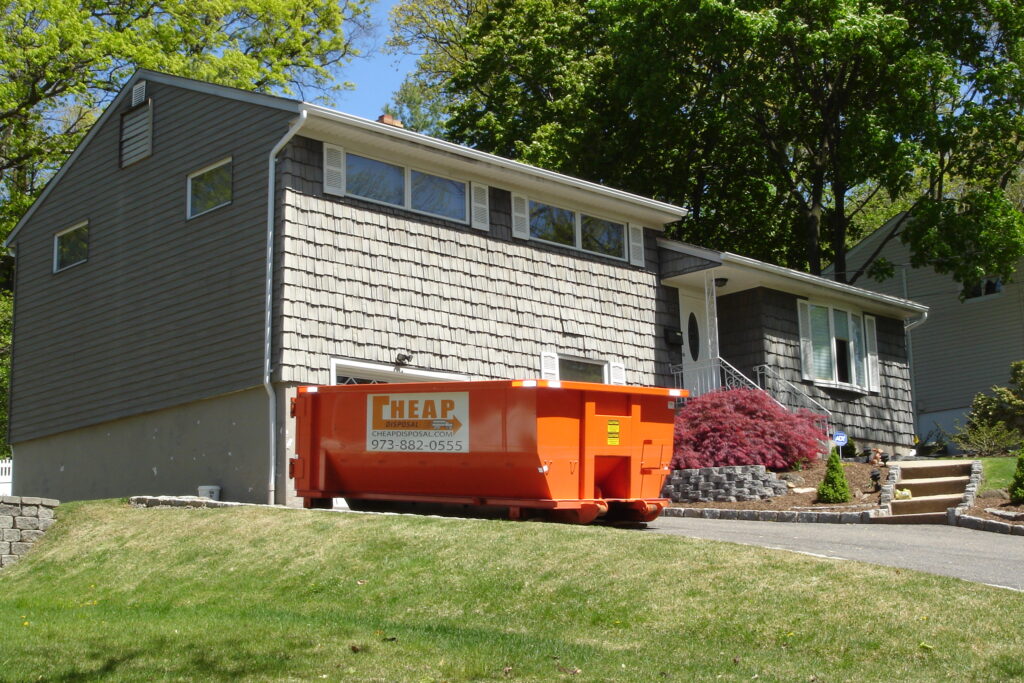
Dumpster rental sizes are typically measured in cubic yards. A cubic yard represents a space measuring 3 feet wide, 3 feet long, and 3 feet high. The larger the cubic yard capacity, the more debris the dumpster can hold.

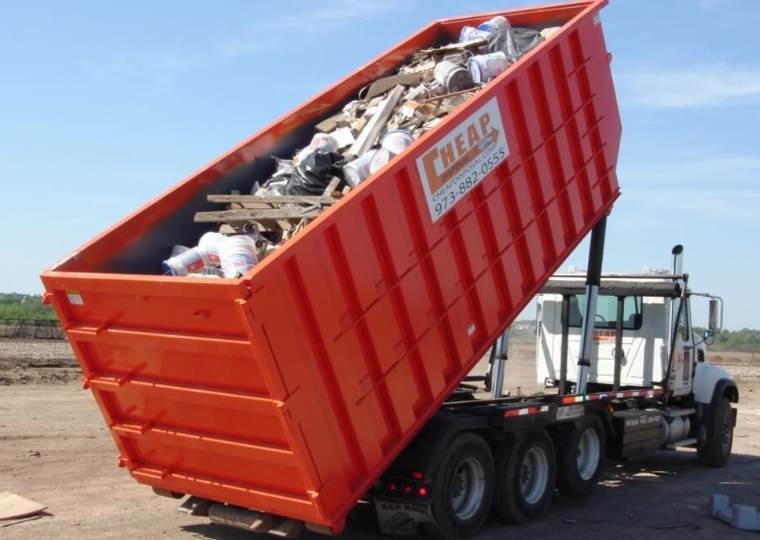
Roll-off dumpsters are the most common type of rental dumpster and are delivered directly to your property. Once filled, the dumpster is picked up and the waste is transported for proper disposal.

The most common dumpster sizes include:

Each size is designed for different project types and waste volumes.

10-Yard Dumpster: Small Projects and Cleanouts

A 10-yard dumpster is often considered the smallest standard roll-off dumpster available.

Typical Uses:

  • Garage cleanouts
  • Small basement cleanouts
  • Yard debris removal
  • Small bathroom remodels
  • Roofing projects under 1,500 square feet

Capacity:

A 10-yard dumpster can typically hold approximately 3 pickup truck loads of debris.

This size is ideal when you have a relatively small amount of waste and limited space on your property.

15-Yard Dumpster: Medium Residential Projects

A 15-yard dumpster provides additional capacity while maintaining a relatively compact footprint.

Typical Uses:

  • Attic cleanouts
  • Flooring removal projects
  • Kitchen remodels
  • Small deck removals
  • Household junk removal

Capacity:

A 15-yard dumpster generally holds about 4 to 5 pickup truck loads of debris.

Many homeowners choose this size because it provides flexibility without taking up excessive driveway space.

20-Yard Dumpster: The Most Popular Dumpster Size

For many projects, the 20-yard dumpster is considered the standard dumpster rental size.

Typical Uses:

  • Whole-home cleanouts
  • Major remodeling projects
  • Large basement cleanouts
  • Roofing projects
  • Deck removals
  • Moving and downsizing projects

Capacity:

A 20-yard dumpster typically holds around 6 pickup truck loads of waste.

Because of its versatility, this size is one of the most commonly rented dumpsters for both residential and light commercial projects.

Many customers find that a 20-yard dumpster offers the perfect balance between capacity and affordability.

30-Yard Dumpster: Large Renovations and Construction Projects

When projects generate substantial debris, a 30-yard dumpster may be the best option.

Typical Uses:

  • Home additions
  • Large renovation projects
  • New construction
  • Commercial cleanouts
  • Estate cleanouts
  • Multi-room remodels

Capacity:

A 30-yard dumpster can generally accommodate approximately 9 pickup truck loads of debris.

Contractors frequently choose this size because it reduces the need for multiple hauls and allows work to continue uninterrupted.

40-Yard Dumpster: Maximum Capacity

The 40-yard dumpster is the largest standard roll-off container available from most rental companies.

Typical Uses:

  • Major demolition projects
  • Commercial construction
  • Large-scale renovations
  • Industrial cleanouts
  • Warehouse cleanouts
  • Large roofing projects

Capacity:

A 40-yard dumpster can hold approximately 12 pickup truck loads of debris.

This size is best suited for projects generating large amounts of waste and construction materials.

Which Dumpster Size Is Considered Standard?

Although several dumpster sizes are commonly available, the 20-yard dumpster is generally considered the standard dumpster rental size.

Why?

Because it works well for a wide range of projects, including:

  • Home cleanouts
  • Remodeling jobs
  • Roofing projects
  • Moving-related cleanups
  • Landscaping projects

For many homeowners, a 20-yard dumpster provides enough capacity without the expense of a larger container.

However, the “standard” size ultimately depends on the specific needs of your project.

Factors to Consider When Choosing a Dumpster Size

Selecting the right dumpster involves more than simply estimating how much trash you’ll generate.

Type of Debris

Different materials occupy space differently.

For example:

  • Furniture and household junk take up significant volume.
  • Concrete, brick, and dirt are extremely heavy.
  • Construction debris can be both bulky and dense.

The type of waste being disposed of can impact the dumpster size you need.

Project Scope

Consider the size of the project.

Questions to ask include:

  • How many rooms are being renovated?
  • How much furniture is being removed?
  • How much roofing material is being replaced?
  • Will demolition be involved?

Larger projects typically require larger containers.

Available Space

The physical space available for dumpster placement matters.

While larger dumpsters provide more capacity, they also require more room for delivery and pickup.

Driveway size, property access, and local regulations may influence your options.

Weight Limits

Dumpster rentals typically include weight allowances.

Heavy materials such as concrete, asphalt, brick, and soil can quickly exceed weight limits even if the dumpster is not completely full.

Working with an experienced dumpster rental company can help ensure you select a container that accommodates both volume and weight requirements.

Is It Better to Rent a Larger Dumpster?

Many customers wonder whether they should rent a slightly larger dumpster to avoid running out of space.

In many cases, the answer is yes.

Choosing a dumpster that is too small can lead to:

  • Additional rental fees
  • Extra pickups
  • Project delays
  • Overflowing debris piles

A slightly larger dumpster often provides peace of mind and may save money in the long run.

Common Mistakes When Choosing Dumpster Sizes

Underestimating Debris Volume

One of the most common mistakes is underestimating how much waste a project will generate.

Renovations and cleanouts often produce significantly more debris than expected.

Ignoring Weight Restrictions

Heavy materials can exceed weight limits before the dumpster reaches capacity.

Choosing Based Solely on Price

While smaller dumpsters may have lower rental rates, they can become more expensive if multiple hauls are required.

It’s important to balance cost with capacity.

Cheap Disposal Can Help You Choose the Right Dumpster

At Cheap Disposal, we understand that every project is different. Whether you’re tackling a garage cleanout, home renovation, roofing project, or commercial construction job, our experienced team can help you determine the best dumpster size for your needs.

We offer affordable dumpster rentals, prompt delivery, reliable pickup, and exceptional customer service throughout New Jersey.

Rent a Dumpster Today

If you’re planning a cleanup, renovation, demolition, or construction project, Cheap Disposal is ready to help with your NJ dumpster rental. Contact our team today for expert guidance on choosing the right dumpster rental size and receive a free quote for your project.

We’ll help you select the ideal dumpster so you can focus on getting the job done efficiently and affordably.

The post What Is The Standard Dumpster Rental Size appeared first on Cheap Disposal.


source https://cheapdisposal.com/standard-dumpster-rental-size/

Monday, May 4, 2026

What Is A 30 Yard Dumpster Used For?

What Is A 30 Yard Dumpster Used For?

Are you wondering- what is a 30 yard dumpster used for? This post will answer all of your questions on the topic! Read on to learn everything!

The Right Dumpster Size Is Crucial To Any Project

If you’re planning a large cleanup, renovation, or construction project, choosing the right dumpster size is one of the most important decisions you’ll make. At Cheap Disposal, your leading NJ dumpster rental company – one of the most commonly requested options is the 30 yard dumpster—and for good reason. It offers the ideal balance between capacity and convenience for medium to large-scale projects.

So what exactly is a 30 yard dumpster used for, and is it the right choice for your needs? Let’s break it down.

Understanding the Size of a 30 Yard Dumpster

A 30 yard dumpster refers to its volume—meaning it can hold approximately 30 cubic yards of debris. In more practical terms, that’s about 9 to 15 pickup truck loads of waste, depending on how efficiently materials are loaded.

Typical dimensions are around:

  • 22 feet long
  • 8 feet wide
  • 6 feet high

This size makes it large enough for substantial jobs, but still manageable for most residential driveways and commercial job sites.

Common Uses for a 30 Yard Dumpster

A 30 yard dumpster is incredibly versatile. It’s designed to handle bulky, heavy, and high-volume debris, making it a go-to option for a wide range of projects.

1. Major Home Renovations

If you’re remodeling multiple rooms or tackling a full home renovation, a 30 yard dumpster is often the perfect fit. Projects like:

  • Kitchen remodels
  • Bathroom overhauls
  • Basement finishing
  • Flooring replacement throughout the home

These jobs generate a significant amount of debris, including drywall, wood, cabinetry, tile, and fixtures. A 30 yard container gives you the space needed to keep your project organized without constant hauling trips.

2. Large Cleanouts

Whether you’re clearing out a home, estate, or property, a 30 yard dumpster is ideal for large-scale cleanouts.

This includes:

  • Estate cleanouts
  • Foreclosure or eviction cleanups
  • Hoarder cleanouts
  • Garage and attic purges

When you’re dealing with years—or even decades—of accumulated items, smaller dumpsters fill up quickly. A 30 yard option allows you to dispose of furniture, boxes, and general junk all at once.

3. Construction and Demolition Projects

Contractors frequently rely on 30 yard dumpsters for construction debris. They’re large enough to handle materials like:

  • Lumber and framing materials
  • Roofing shingles
  • Siding
  • Concrete (in limited amounts)
  • Drywall and insulation

For new builds or major demolition work, this size helps maintain a clean and safe job site by keeping debris contained and out of the way. Choose the right dumpster rental sizes for a smooth overall handling of your construction job.

4. Roofing Projects

A 30 yard dumpster is a popular choice for roofing jobs, especially larger homes or commercial properties.

It can typically handle:

  • Multiple layers of shingles
  • Underlayment and decking materials

For example, it’s often suitable for tearing off shingles from a large residential roof or a small commercial building.

5. Commercial Cleanups and Renovations

Businesses undergoing renovations or relocating can benefit from the capacity of a 30 yard dumpster.

Common uses include:

  • Office cleanouts
  • Retail store remodels
  • Warehouse cleanups
  • Restaurant renovations

Bulky items like shelving, desks, and equipment can quickly add up, making a larger dumpster the most efficient solution.

6. Yard Waste and Landscaping Projects

Large outdoor projects can also generate more debris than expected. A 30 yard dumpster is useful for:

  • Tree removal
  • Land clearing
  • Large landscaping redesigns
  • Storm debris cleanup

Branches, dirt, shrubs, and other organic materials can take up a lot of space, and this size ensures you won’t run out of room mid-project.

When a 30 Yard Dumpster Might Be Too Much

While a 30 yard dumpster is versatile, it’s not always the right fit. For smaller projects like:

  • Minor home cleanouts
  • Single-room renovations
  • Small yard projects

A 10 or 20 yard dumpster may be more cost-effective and easier to place.

Choosing the right size helps you avoid overpaying for unused space while ensuring you don’t run out of capacity.

Key Benefits of Choosing a 30 Yard Dumpster

Efficient Waste Management

With its large capacity, a 30 yard dumpster reduces the need for multiple hauls. This saves both time and effort, especially on longer projects.

Cost-Effective for Larger Jobs

Although it’s more expensive than smaller dumpsters upfront, it’s often more economical for big projects since you won’t need to rent multiple containers.

Versatility Across Projects

From residential to commercial use, this size adapts well to different types of waste, making it a flexible option for contractors and homeowners alike.

Improved Job Site Safety

Keeping debris contained in one place reduces hazards like tripping risks, scattered nails, and sharp materials—helping maintain a safer work environment.

What Can You Put in a 30 Yard Dumpster?

Most non-hazardous materials are accepted, including:

  • Household junk
  • Furniture
  • Construction debris
  • Yard waste
  • Non-toxic building materials

However, certain items are typically prohibited, such as:

  • Hazardous chemicals
  • Paints and solvents (in some cases)
  • Tires
  • Batteries
  • Electronics

It’s always best to confirm with your provider to ensure compliance with local regulations.

Choosing the Right Dumpster Rental Company

Not all dumpster rental services are created equal. Working with a reliable local provider like Cheap Disposal ensures:

  • Timely delivery and pickup
  • Transparent pricing
  • Proper waste disposal practices
  • Helpful guidance on choosing the right size

A knowledgeable team can also help you determine whether a 30 yard dumpster is the best option based on your specific project.

Final Thoughts: What Is A 30 Yard Dumpster Used For?

A 30 yard dumpster is one of the most practical and widely used dumpster sizes for medium to large projects. Whether you’re renovating your home, managing a construction site, or clearing out a property, it offers the space and efficiency needed to get the job done right.

If you’re unsure about sizing or need help planning your waste removal, reaching out to a trusted provider like Cheap Disposal can make the process simple and stress-free. With the right dumpster in place, you can focus on your project—not the mess it leaves behind. Contact Cheap Disposal for your dumpster rental in NJ!

The post What Is A 30 Yard Dumpster Used For? appeared first on Cheap Disposal.


source https://cheapdisposal.com/what-is-30-yard-dumpster-used-for/

Monday, March 30, 2026

What Size Dumpster Do You Need For Furniture Disposal?

What Size Dumpster Do You Need for Furniture Disposal?

When it comes to getting rid of old furniture, one of the most common questions homeowners and property managers ask is: what size dumpster do I actually need? Choosing the right dumpster size is essential for keeping your project efficient, affordable, and stress-free. Whether you’re cleaning out a single room, replacing furniture during a renovation, or clearing out an entire home, understanding your options can save you time and money.

Cheap Disposal, a trusted dumpster rental company in New Jersey, helps customers choose the right dumpster size for furniture removal every day. In this guide, we’ll break down the most common dumpster sizes, what types of furniture they can hold, and how to determine the best option for your specific project.

Why Dumpster Size Matters for Furniture Disposal

Furniture is bulky, irregularly shaped, and often heavier than standard household debris. Unlike smaller items, couches, dressers, mattresses, and tables take up significant space quickly. Choosing a dumpster that’s too small can lead to overfilling, additional fees, or needing a second rental. On the other hand, renting a dumpster that’s too large may mean paying for unused space.

The goal is to strike the perfect balance—enough room to handle all your furniture without overspending.

Common Dumpster Sizes for Furniture Removal

Dumpster sizes are typically measured in cubic yards, which refers to the volume of debris they can hold. Here’s a breakdown of the most common sizes and how they apply to furniture disposal.

10-Yard Dumpster

A 10-yard dumpster is the smallest standard option and is ideal for light furniture removal or small cleanouts.

Best for:

  • One or two pieces of furniture (like a couch and chair)
  • Small bedroom cleanouts
  • Minor decluttering projects

Capacity:

  • Approximately 3 pickup truck loads

This size works well if you’re getting rid of a few items, such as a mattress, small dresser, or coffee table. However, it fills up quickly with bulky furniture, so it’s not recommended for larger projects.

15-Yard Dumpster

A 15-yard dumpster offers a bit more flexibility and is a popular choice for moderate furniture disposal needs.

Best for:

  • Single-room furniture removal
  • Small apartment cleanouts
  • Replacing multiple medium-sized items

Capacity:

  • About 4–5 pickup truck loads

This is a great option if you’re clearing out a bedroom or living room. It can typically hold items like a sofa, bed frame, dresser, nightstands, and a few additional pieces.

20-Yard Dumpster

The 20-yard dumpster is one of the most commonly rented sizes for furniture disposal due to its versatility.

Best for:

  • Multi-room cleanouts
  • Larger furniture items (sectionals, dining sets)
  • Estate cleanouts or moving projects

Capacity:

  • Around 6–8 pickup truck loads

If you’re removing furniture from several rooms or tackling a full home cleanout, this is often the safest and most cost-effective choice. It provides enough space for bulky items without requiring multiple hauls.

30-Yard Dumpster

A 30-yard dumpster is ideal for large-scale cleanouts or projects involving significant amounts of furniture.

Best for:

  • Whole-house furniture removal
  • Large estate or foreclosure cleanouts
  • Major renovations or downsizing

Capacity:

  • Approximately 9–12 pickup truck loads

This size can handle large sectionals, multiple mattresses, dining room sets, and more. It’s especially useful if you’re clearing out an entire property or combining furniture disposal with other debris.

40-Yard Dumpster

The 40-yard dumpster is the largest option and is typically used for commercial or very large residential projects.

Best for:

  • Large estate cleanouts
  • Commercial furniture disposal (offices, retail spaces)
  • Bulk disposal with mixed debris

Capacity:

  • 12+ pickup truck loads

Unless you’re dealing with a massive cleanout or commercial project, this size is usually more than what a typical homeowner needs.

How to Choose the Right Dumpster Size

Selecting the right dumpster depends on several key factors. Here’s what to consider before making your decision.

1. Volume of Furniture

Take inventory of everything you plan to dispose of. Are you removing just a couch and mattress, or clearing out an entire house? The more items you have, the larger the dumpster you’ll need.

2. Size and Type of Furniture

Bulky items like sectionals, armoires, and dining tables take up more space than smaller pieces. Even if you don’t have many items, large furniture can quickly fill a dumpster.

3. Disassembly

Breaking down furniture can significantly reduce the amount of space it takes up. Removing table legs, dismantling bed frames, or cutting up large items can help you fit more into a smaller dumpster.

4. Additional Debris

Are you disposing of anything besides furniture? If your project includes boxes, household junk, or renovation debris, you’ll need extra space.

5. Budget Considerations

While larger dumpsters cost more upfront, they can be more cost-effective if they prevent the need for multiple rentals. It’s often better to go slightly larger than risk running out of space.

Tips for Efficient Furniture Disposal

To get the most out of your dumpster rental, follow these simple tips:

  • Break down large items whenever possible to maximize space
  • Load strategically, placing flat items on the bottom and stacking efficiently
  • Avoid overfilling, as this can result in additional fees or pickup delays
  • Check weight limits, especially for heavier furniture like solid wood pieces

Planning ahead can make a big difference in how smoothly your project goes.

When to Consider Multiple Dumpsters

In some cases, especially for large cleanouts or commercial jobs, it may make sense to rent more than one dumpster or schedule multiple pickups. This is common for:

  • Estate cleanouts with large volumes of furniture
  • Office or retail furniture disposal
  • Multi-phase renovation projects

Cheap Disposal can help coordinate multiple rentals or swaps to keep your project on track.

Why Choose Cheap Disposal for Dumpster Rentals in NJ

Cheap Disposal provides reliable, affordable dumpster rental services throughout New Jersey. Whether you’re tackling a small furniture removal project or a full property cleanout, their team helps you choose the right dumpster size for your needs.

Customers appreciate:

  • Transparent pricing with no hidden fees
  • Flexible rental periods
  • Prompt delivery and pickup
  • Expert guidance on dumpster sizing

Having the right support makes the entire process easier from start to finish.

Final Thoughts: What Size Dumpster For Furniture Disposal

Choosing the right dumpster size for furniture disposal doesn’t have to be complicated. By understanding your project scope, evaluating the amount and type of furniture you’re removing, and planning ahead, you can select a dumpster that fits your needs perfectly.

For small projects, a 10 or 15-yard dumpster may be enough. For larger cleanouts or multi-room furniture removal, a 20-yard or 30-yard dumpster is usually the best choice. And for major or commercial projects, a 40-yard dumpster may be necessary.

If you’re unsure, it’s always better to size up slightly to avoid running out of space. With the help of Cheap Disposal, you can confidently choose the right dumpster and complete your furniture disposal project efficiently and affordably.

The post What Size Dumpster Do You Need For Furniture Disposal? appeared first on Cheap Disposal.


source https://cheapdisposal.com/what-size-dumpster-for-furniture-disposal/

Saturday, February 28, 2026

Dumpster vs. Junk Removal Which Is Best

Dumpster vs. Junk Removal: Which Is Best for Your Project?

In this post you will learn everything about dumpster vs. junk removal and which is best for your project! Choosing whether to rent a dumpster or hire a company for junk removal can be a tricky thing. Read on or contact Cheap Disposal if you are interested in the dumpster rental route!

Choosing Between Renting A Dumpster Or Hiring A Junk Removal Company

If you’re planning a home cleanout, renovation, landscaping project, or construction job in New Jersey, one of the first questions you’ll likely ask is: should I opt for affordable dumpster rental or hire a junk removal service?

Both options help you get rid of unwanted materials, but they work very differently. Choosing the right one can save you time, money, and stress.

At Cheap Disposal, we help homeowners and contractors across New Jersey find the most efficient and affordable waste removal solution. Here’s a detailed breakdown to help you decide which option is best for your specific project.

What Is Dumpster Rental?

Dumpster rental, often called roll-off dumpster rental, involves having a container delivered to your property. You load it yourself over a set rental period, and the company hauls it away when you’re finished.

How It Works

You choose the dumpster size.
The container is delivered to your driveway or job site.
You fill it at your own pace.
Pickup is scheduled when you’re done.

Dumpster rentals are ideal for projects that generate debris over multiple days.

What Is Junk Removal?

Junk removal is a full-service option. A crew arrives, loads your unwanted items into their truck, and hauls everything away the same day.

How It Works

You schedule a pickup.
A team arrives.
They remove items for you.
You’re done — no labor required.

This option is often used for furniture removal, small cleanouts, or single-day projects.

best dumpster rentals NJ

Dumpster Rental Vs. Junk Removal: Key Differences

Cost

For larger projects, dumpster rental is usually more cost-effective. You pay a flat fee based on container size and rental period.

Junk removal pricing is typically volume-based. The more space your items take up in the truck, the more you pay. Labor costs are also factored in.

If you’re handling demolition debris, roofing shingles, or large amounts of construction material, a dumpster is almost always the better value.

Labor

Dumpster rental requires you or your crew to load the debris.

Junk removal includes labor. If you’re clearing out a garage alone or cannot lift heavy furniture, junk removal may be worth the higher cost.

Project Timeline

If your project lasts several days or weeks, a dumpster rental gives you flexibility.

Junk removal works best for quick, one-time cleanups where everything is ready to go at once.

Type Of Debris

Dumpster rentals are ideal for construction debris, roofing materials, renovation waste, landscaping debris, and large cleanouts.

Junk removal is better for furniture, appliances, single-item removal, and small household cleanups.

New Jersey’s #1 Choice For Construction Containers

When Dumpster Rental Is The Better Choice

In most large-scale projects, renting a dumpster makes more sense.

Home Renovations

Bathroom remodels, kitchen tear-outs, and basement finishing projects create ongoing debris. Having a roll-off dumpster on site keeps the workspace clean and safe.

Roofing Projects

Roof replacements generate heavy materials like shingles and underlayment. A dumpster placed near the home allows roofers to dispose of debris efficiently.

Estate Cleanouts

If you’re clearing an entire home, attic, or basement, a dumpster allows you to work at your own pace rather than rushing to meet a pickup window.

Landscaping And Yard Projects

Tree removal, dirt, sod, fencing, and decking materials add up quickly. A dumpster keeps your property organized during the project.

For New Jersey homeowners and contractors, dumpster rental often provides the best balance of convenience and affordability.

When Junk Removal Makes More Sense

There are situations where full-service junk hauling is the better solution.

You Have Very Little Debris

If you only have one couch, a mattress, or a few large items, renting a dumpster may be unnecessary.

You Don’t Want To Lift Anything

If the items are heavy and you don’t have help, paying for labor may be worth it.

You Need Immediate Removal

If you’re staging a home for sale and need items gone the same day, junk removal can be quicker.

Cost Comparison In New Jersey

While pricing varies depending on location and project size, here’s a general breakdown.

Junk removal dumpster rentals typically include delivery, pickup, and disposal in one flat rate. It is more affordable for larger volumes of debris.

Junk removal is charged by volume, meaning how much space your items take up in the truck. Labor is included, which increases overall cost. It is better suited for small jobs.

For medium to large projects, dumpster rental usually provides better value per cubic yard.

Which Option Is More Flexible?

Dumpster rental offers more flexibility.

You control when you load it, how long you keep it within the rental period, and the pace of your project.

With junk removal, everything must be ready when the crew arrives.

If your project is unpredictable, such as renovations or construction, flexibility can make a significant difference.

Environmental Considerations

Both services aim to dispose of waste responsibly. However, when you load a dumpster yourself, you have more control over sorting recyclable materials before disposal.

In New Jersey, proper waste management is important due to state disposal regulations. Working with a reliable local provider ensures materials are handled appropriately.

Questions To Ask Before Choosing

Before deciding, consider how much debris you will generate, how long your project will take, whether you have help to load materials, what type of debris you are disposing of, and whether budget is your primary concern.

Your answers will usually make the right choice clear.

Why Many New Jersey Customers Choose Dumpster Rental

Across New Jersey, homeowners, contractors, and property managers frequently choose dumpster rentals because they offer lower cost for larger volumes, flexible timelines, easy job site cleanup, multiple size options, and no pressure to finish in one day.

For renovation projects, roofing jobs, and full home cleanouts, a roll-off dumpster is often the most practical solution.

Affordable Dumpster Rental In New Jersey

Cheap Disposal proudly serves homeowners and contractors throughout New Jersey with reliable, affordable dumpster rental services. We offer multiple container sizes to fit projects of all types, from small cleanouts to major construction jobs.

If you’re unsure which size is right for your project, our team is happy to guide you through the process and help you choose the most cost-effective solution.

Contact Cheap Disposal today to schedule your dumpster rental and keep your New Jersey project moving efficiently and on budget.

The post Dumpster vs. Junk Removal Which Is Best appeared first on Cheap Disposal.


source https://cheapdisposal.com/dumpster-vs-junk-removal-which-is-best/

Tuesday, January 27, 2026

What Is A Roll Off Dumpster?

What Is A Roll Off Dumpster? (Guide For Homeowners & Contractors)

Are you wondering – what is a roll off dumpster? In our 2026 guide for homeowners and contractors, we’ll explain what a roll off dumpster is and what you need to know about these types of bins!

Roll Off Dumpsters Are Different Than Everyday Trash Bins

When most people picture a dumpster, they imagine the everyday trash bins located behind shopping centers, restaurants, or commercial buildings. Those are known as front-load dumpsters. Roll off dumpsters, however, are a completely different category and are one of the most useful tools for construction, demolition, cleanouts, landscaping, and other debris-heavy projects.

If you’re considering renting a dumpster, understanding what a roll off dumpster is, how it works, and when to use one can help you choose the right option for your project. At Cheap Disposal, we provide affordable dumpster and portable toilet rentals in Fairfield, NJ and surrounding North Jersey communities, and we see firsthand how roll off containers simplify waste removal for both homeowners and contractors.

What Exactly Is a Roll Off Dumpster?

A roll off dumpster is a large rectangular container designed to be delivered and placed on-site by a specialized truck. Instead of being lifted by mechanical arms like commercial dumpsters, roll off containers are rolled off the back of a flatbed truck onto the ground. That’s how they get their name.

Unlike front-load dumpsters, roll off models have open tops, making it easy to load bulky items, debris, or materials using wheelbarrows, machinery, or manual labor.

Common features include:

• Open-top loading
• Swinging rear door for walk-in access
• Heavy-duty steel construction
• Multiple size options for volume and weight capacity
• Temporary use for projects rather than permanent placement

Because they are designed to handle construction debris, bulky items, and heavy materials, they are incredibly versatile and efficient for short-term waste management.

What Exactly Is a Roll Off Dumpster

Common Roll Off Dumpster Sizes

Roll off dumpsters come in several sizes. The most common include:

10-yard dumpster
15-yard dumpster
20-yard dumpster
30-yard dumpster
40-yard dumpster

Each size corresponds to its approximate volume in cubic yards. For example, a 20-yard dumpster holds roughly 20 cubic yards of debris, which is ideal for home renovations, roofing tear-offs, and landscaping projects.

Smaller 10-yard units are often used for:

• Bathroom remodels
• Small kitchen updates
• Basement cleanouts
• Landscaping debris
• Concrete or dirt disposal

Larger 30–40-yard containers are popular for:

• Construction and demolition
Commercial renovations
• Estate cleanouts
• Roofing projects
• Large remodeling job sites

When you contact Cheap Disposal, our team can help match you with the right size based on your waste volume, material type, and available space.

What Can You Put in a Roll Off Dumpster?

Roll off dumpsters are used for a wide range of debris types, including:

• Construction debris
• Household junk and clutter
• Furniture and appliances
• Roofing shingles
• Drywall and lumber
Yard waste and brush
• Concrete, brick, asphalt (depending on size and weight limits)
• Soil and dirt
• Metal scraps

Some materials cannot go in a dumpster, including hazardous chemicals, propane tanks, paint, asbestos, medical waste, and certain electronics depending on local regulations. If you’re unsure whether something is allowed, Cheap Disposal can guide you before delivery.

Who Uses Roll Off Dumpsters?

Roll off containers are used by many types of customers. The most common include:

Homeowners

Projects like garage cleanouts, downsizing, moving, attic cleanouts, and remodeling generate more waste than expected. A roll off dumpster keeps debris organized, contained, and out of the way.

Contractors

Construction crews rely on dumpsters for demolition debris, roofing tear-offs, siding replacement, flooring removal, cabinet disposal, and more.

Landscapers

Roll offs make yard waste disposal easier for brush clearing, stump removal, sod replacement, and storm cleanup.

Commercial & Industrial Sites

Large-scale renovations, facility maintenance, and commercial upgrades produce heavy volumes of debris.

Municipal Projects & Events

Seasonal cleanups, storm recovery, festivals, and public works often require temporary waste solutions.

How Delivery and Pickup Works

One of the biggest advantages of roll off dumpsters is how simple they are to schedule and use. The basic rental process looks like this:

  1. Choose your dumpster size
  2. Schedule delivery with a date and window
  3. Dumpster is placed on-site
  4. You load debris as needed
  5. Cheap Disposal picks up the container
  6. Waste is hauled away for proper disposal

Most rentals are kept for several days or weeks, depending on project duration. Longer rentals can be arranged for ongoing construction or phased renovations.

Weight Limits and Pricing Factors

Dumpster pricing depends on several factors, including:

• Size of the container
• Type of debris
• Weight of the load
• Rental duration
• Delivery logistics
• Disposal fees

Heavy materials such as concrete, roofing shingles, and soil weigh significantly more than household junk, so they may require smaller dumpsters or separate recycling loads.

Cheap Disposal provides transparent pricing and guidance so there are no surprises at pickup.

Roll Off Dumpsters vs Junk Removal Services

Junk removal services are convenient for small quantities of bulky waste that are picked up by a crew, but they are not ideal for projects that generate continuous debris over multiple days.

Roll off dumpsters are better when:

• You’re remodeling against a timeline
• You want to load debris as the job progresses
• You need multiple disposal cycles
• You want lower cost per cubic yard of waste

For contractors and DIY homeowners, dumpsters offer more flexibility and better economics.

Importance of Porta Potty Rentals on Job Sites

Importance of Porta Potty Rentals on Job Sites

Because Cheap Disposal also rents portable toilets, it’s worth noting that porta potties and roll off dumpsters are commonly paired together on construction and event sites. Proper sanitation and waste handling not only keep job sites clean but also prevent downtime for crews and comply with OSHA standards for commercial work zones.

Contractors often schedule both services together to streamline logistics and maintain productivity, especially during long-term projects.

Final Thoughts

So what is a roll off dumpster? It’s a temporary, heavy-duty waste container designed for loading bulky, heavy, or high-volume debris during construction, renovation, and cleanup projects. They are easy to deliver, easy to pick up, and make debris disposal much more efficient for both residential and commercial users.

Whether you are planning a home remodel, a major construction project, or a large cleanout, a roll off dumpster can simplify the entire waste removal process while keeping your site organized, safe, and compliant.

Cheap Disposal offers affordable roll off dumpster rentals and porta potty rentals in Fairfield, NJ and throughout North Jersey. Our team can help you choose the right size, schedule delivery, and complete your project without headache or hassle.

Take a look at their location below:

The post What Is A Roll Off Dumpster? appeared first on Cheap Disposal.


source https://cheapdisposal.com/what-is-a-roll-off-dumpster/

Thursday, January 1, 2026

What Can & Can’t Go In A Dumpster In New Jersey

Are you wondering what can and can’t go in a dumpster in New Jersey? If so, you are in the right place. In this post we’ll go over basic dumpster rental guidelines for New Jersey based homeowners and business owners! So read on to learn more on this topic!

dumpster rental in NJ

What Can & Can’t Go In A Dumpster In New Jersey

Renting a dumpster is one of the easiest ways to manage waste during home cleanouts, renovations, construction projects, and commercial jobs. However, New Jersey has specific rules about what materials are allowed in dumpsters and which items require special handling. Knowing these guidelines ahead of time helps prevent delays, extra fees, and environmental issues.

At Cheap Disposal, your local dumpster and portable toilet rental business, we help homeowners, contractors, and businesses across New Jersey understand proper disposal practices so their projects stay on schedule and compliant with local regulations.

Why Dumpster Restrictions Exist in New Jersey

Dumpster restrictions are in place to protect landfills, sanitation workers, and the environment. Certain materials are hazardous, recyclable, or regulated under state and local waste management laws. Disposing of prohibited items incorrectly can result in fines, rejected loads, or additional disposal charges.

Understanding what can and cannot go into a dumpster ensures safe handling and responsible waste disposal throughout New Jersey.

Items Commonly Allowed in Dumpsters

Most non-hazardous household, construction, and demolition debris can be safely disposed of in a rented dumpster.

Typical acceptable materials include household junk such as furniture, mattresses, clothing, toys, and general clutter. Construction and renovation debris like wood, drywall, flooring, insulation, roofing shingles, siding, and cabinets are also commonly allowed.

Yard waste such as branches, leaves, and small amounts of dirt may be accepted depending on the type of dumpster and local guidelines. Paper, cardboard, and non-contaminated packaging materials are generally permitted as well.

If you are unsure whether a specific item is allowed, it’s always best to check before loading the dumpster.

Items That Are Not Allowed in New Jersey Dumpsters

Certain materials are prohibited from standard dumpster disposal due to safety and environmental regulations.

Hazardous waste is not allowed. This includes paint, solvents, chemicals, pesticides, cleaning agents, and asbestos-containing materials. These items require specialized disposal through approved facilities.

Electronics such as televisions, computers, monitors, and printers are typically restricted because New Jersey enforces electronic waste recycling laws.

Batteries, especially car batteries and lithium-ion batteries, are prohibited due to fire and contamination risks.

Tires are not allowed in dumpsters and must be recycled separately.

Appliances that contain refrigerants, such as refrigerators, freezers, air conditioners, and dehumidifiers, cannot be placed in dumpsters unless properly prepared and approved.

Medical waste, including sharps, needles, and biohazard materials, is also strictly prohibited.

Special Handling Items That May Require Approval

Some items may be accepted with prior approval or additional fees. These can include mattresses, box springs, carpeting, padding, and large quantities of concrete or masonry.

Soil, bricks, and concrete are heavy materials that may require a dedicated dumpster due to weight restrictions. Mixing heavy debris with lighter waste can exceed allowable limits.

Always notify your dumpster provider if your project involves these materials so proper arrangements can be made.

Recycling and Responsible Disposal in New Jersey

New Jersey places a strong emphasis on recycling and environmental responsibility. Many materials that are not allowed in dumpsters can still be disposed of legally through recycling centers, hazardous waste drop-off events, or specialty disposal facilities.

Separating recyclable materials not only helps the environment but can also reduce disposal costs and keep your project compliant with state regulations.

Tips to Avoid Extra Fees or Pickup Delays

To avoid unexpected charges, never place prohibited items in your dumpster. Keep hazardous materials separate and ask about alternative disposal options.

Do not overfill the dumpster above the fill line, as this can delay pickup and create safety hazards. Be mindful of weight limits, especially when disposing of heavy debris.

When in doubt, communicate with your dumpster rental provider before loading questionable items.

best dumpster rentals NJ

Dumpster Rental Services in New Jersey

Cheap Disposal provides reliable dumpster rental services throughout New Jersey for residential, commercial, and construction projects. Our team helps customers choose the right dumpster size, understand disposal rules, and avoid common mistakes that can slow down a project.

Whether you’re cleaning out a home, remodeling a property, or managing a job site, we offer practical guidance and dependable service in addition to a wide selection of dumpster rental sizes.

Schedule a Dumpster Rental with Confidence

If you’re planning a project and want to ensure proper waste disposal, Cheap Disposal is here to help. Our team can answer questions about what can and can’t go in a dumpster and recommend the best solution for your needs.

Contact Cheap Disposal today to schedule a dumpster rental anywhere in New Jersey and keep your project running smoothly and responsibly. We hope you now have a better understanding of what can and can’t go in a dumpster in New Jersey.

The post What Can & Can’t Go In A Dumpster In New Jersey appeared first on Cheap Disposal.


source https://cheapdisposal.com/what-can-cant-go-in-dumpster-new-jersey/

Tuesday, December 23, 2025

Dumpster Size Guidelines for an Estate Cleanout

Dumpster Size Guidelines for an Estate Cleanout

Handling an estate cleanout can be an emotional and time-consuming process. Whether you’re preparing a home for sale, managing a loved one’s belongings, or clearing out a long-occupied property, choosing the right dumpster size is a key step. The right choice helps keep the project organized, efficient, and cost-effective. At Cheap Disposal, we help homeowners and families select the ideal dumpster size for their specific needs. This guide outlines common options and important factors to consider during an estate cleanout.

Assessing the Scope of the Project

Before ordering a dumpster, take a full walk-through of the property. Look beyond the main living areas and include garages, basements, attics, closets, and outdoor storage. Consider how long the home was occupied and how much furniture, paperwork, and miscellaneous items have accumulated over time.

It’s also helpful to decide whether you’ll be donating or selling any belongings. If most items are being discarded, you’ll need a larger dumpster. A clear understanding of the project’s scope helps prevent delays and the added expense of upgrading or renting a second dumpster.

The 10-Yard Dumpster for Minor Cleanouts

A 10-yard dumpster is best for small-scale estate cleanouts. This size works well for apartments, condos, or homes where only a few rooms need to be cleared. It’s also a good option if most large furniture has already been removed.

Typically holding about three pickup truck loads, a 10-yard dumpster is ideal for boxes, clothing, small household items, and light furniture. Its compact size makes it easier to place in tight driveways or areas with limited space.

Best used for:

  • Attic or garage cleanouts
  • Small deck removals
  • Single-room renovations

The 20-Yard Dumpster for Standard Jobs

The 20-yard dumpster is a popular choice for estate cleanouts and suits many standard projects. It can comfortably handle the contents of multiple rooms, including mattresses, sofas, and appliances.

If you’re clearing out a two- or three-bedroom home with a garage or basement, this size often provides enough space without feeling excessive. For many families, the 20-yard dumpster offers the best balance between capacity and affordability.

Best used for:

  • Two-car garage cleanouts
  • Large basement decluttering
  • Flooring removal for medium home

At Cheap Disposal, the 20-yard dumpster is our most popular option. We pride ourselves in offering affordable dumpster rentals and safety. Contact us at 973-840-7216 to learn more. 

The 30-Yard Dumpster for Large Homes

For larger homes or estates with years of accumulated belongings, a 30-yard dumpster may be the better option. This size works well for four- or five-bedroom homes, especially when storage areas are involved.

A 30-yard dumpster can accommodate bulky furniture, shelving, and a large volume of loose debris. Choosing this size reduces the risk of running out of space mid-project, which can be especially helpful when working under time constraints.

Best used for:

  • Whole-home cleanouts
  • Major home additions
  • Window or siding replacement debris

At Cheap Disposal, our dumpsters are also used for home renovations, junk removal, and yard waste.

The 40-Yard Dumpster for Extensive Cleanouts

The 40-yard dumpster is the largest standard option and is designed for extensive estate cleanouts. This size is ideal for very large homes, hoarding situations, or properties with multiple buildings such as sheds or workshops.

With maximum capacity, a 40-yard dumpster allows for the disposal of large quantities of furniture and accumulated items in one haul. While it may seem oversized, it can ultimately save time and money by avoiding multiple rentals.

Best used for:

Considering Driveway Space and Access

Dumpster placement is an important factor when choosing a size. Larger dumpsters require more room and clear access for delivery and pickup trucks. Measure your driveway and check for obstacles such as low-hanging branches, fences, or overhead wires.

If driveway placement isn’t possible, street placement may require a permit depending on local regulations. Cheap Disposal can help you determine what size will fit your space and guide you through placement considerations. Request our services today. 

Understanding Weight Limits

Each dumpster size comes with a weight limit, and exceeding it may result in additional fees. Estate cleanouts often include heavy items like books, old furniture, and appliances, which can add weight quickly.

Distribute materials evenly and be mindful of especially dense items. If you expect to dispose of many heavy belongings, choosing a larger dumpster with a higher weight allowance can help avoid unexpected costs.

Prohibited Items You Cannot Toss

Certain items cannot be placed in dumpsters due to safety and environmental regulations. Common prohibited items include hazardous chemicals, paint, batteries, tires, propane tanks, and some electronics.

Appliances containing refrigerants and medical waste also require special handling. Setting these items aside in advance keeps your cleanout running smoothly. Cheap Disposal can provide a clear list of restricted items and recommend proper disposal alternatives.

Common prohibited items:

  • Propane tanks
  • Asbestos materials
  • Chemical cleaners
  • Motor oil
new jersey dumpster rental

Dumpster Size Guidelines for an Estate Cleanout

Choosing the right dumpster size is a key step in managing an estate cleanout efficiently. By assessing the scope of the project, understanding size options, and planning for access and weight limits, you can avoid common pitfalls and keep the process on track.

At Cheap Disposal, we’re committed to making estate cleanouts as straightforward as possible. Our experienced team is always available to help you select the right dumpster and answer any questions along the way. With the right plan and the right size dumpster, you can focus on what matters most, moving forward with confidence and clarity. Visit our office location at 1275 Bloomfield Ave Fairfield, New Jersey 07004.

Take a look at their location below:

The post Dumpster Size Guidelines for an Estate Cleanout appeared first on Cheap Disposal.


source https://cheapdisposal.com/dumpster-size-guidelines-for-an-estate-cleanout/

What Is The Standard Dumpster Rental Size

What Is the Standard Dumpster Rental Size? Are you wondering what is the standard dumpster rental size ? This post will explain everyth...