What Is A Roll Off Dumpster? (Guide For Homeowners & Contractors)
Are you wondering – what is a roll off dumpster? In our 2026 guide for homeowners and contractors, we’ll explain what a roll off dumpster is and what you need to know about these types of bins!
Roll Off Dumpsters Are Different Than Everyday Trash Bins
When most people picture a dumpster, they imagine the everyday trash bins located behind shopping centers, restaurants, or commercial buildings. Those are known as front-load dumpsters. Roll off dumpsters, however, are a completely different category and are one of the most useful tools for construction, demolition, cleanouts, landscaping, and other debris-heavy projects.
If you’re considering renting a dumpster, understanding what a roll off dumpster is, how it works, and when to use one can help you choose the right option for your project. At Cheap Disposal, we provide affordable dumpster and portable toilet rentals in Fairfield, NJ and surrounding North Jersey communities, and we see firsthand how roll off containers simplify waste removal for both homeowners and contractors.
What Exactly Is a Roll Off Dumpster?
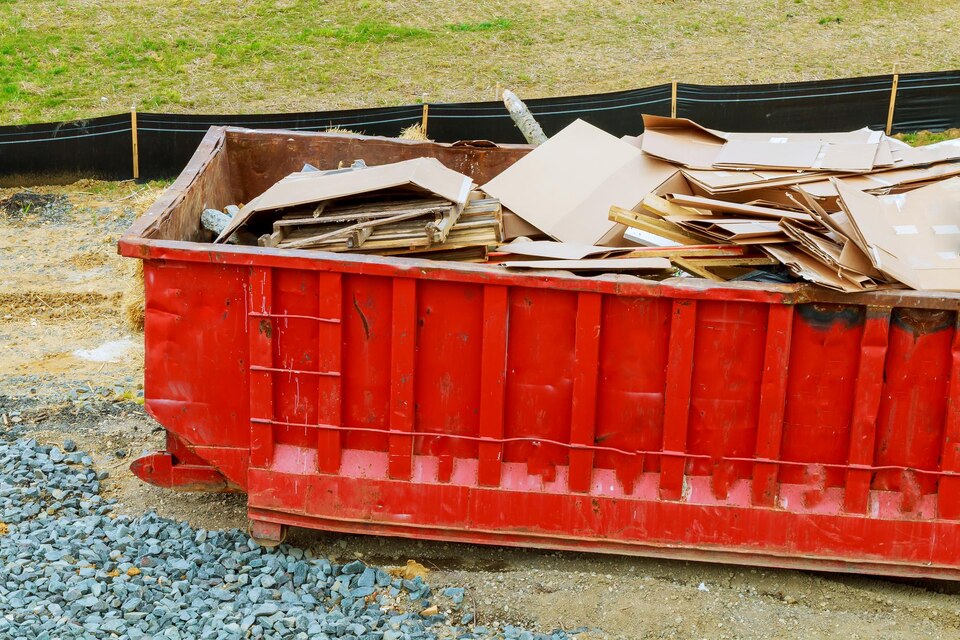
A roll off dumpster is a large rectangular container designed to be delivered and placed on-site by a specialized truck. Instead of being lifted by mechanical arms like commercial dumpsters, roll off containers are rolled off the back of a flatbed truck onto the ground. That’s how they get their name.
Unlike front-load dumpsters, roll off models have open tops, making it easy to load bulky items, debris, or materials using wheelbarrows, machinery, or manual labor.
Common features include:
• Open-top loading
• Swinging rear door for walk-in access
• Heavy-duty steel construction
• Multiple size options for volume and weight capacity
• Temporary use for projects rather than permanent placement
Because they are designed to handle construction debris, bulky items, and heavy materials, they are incredibly versatile and efficient for short-term waste management.

Common Roll Off Dumpster Sizes
Roll off dumpsters come in several sizes. The most common include:
• 10-yard dumpster
• 15-yard dumpster
• 20-yard dumpster
• 30-yard dumpster
• 40-yard dumpster
Each size corresponds to its approximate volume in cubic yards. For example, a 20-yard dumpster holds roughly 20 cubic yards of debris, which is ideal for home renovations, roofing tear-offs, and landscaping projects.
Smaller 10-yard units are often used for:
• Bathroom remodels
• Small kitchen updates
• Basement cleanouts
• Landscaping debris
• Concrete or dirt disposal
Larger 30–40-yard containers are popular for:
• Construction and demolition
• Commercial renovations
• Estate cleanouts
• Roofing projects
• Large remodeling job sites
When you contact Cheap Disposal, our team can help match you with the right size based on your waste volume, material type, and available space.
What Can You Put in a Roll Off Dumpster?
Roll off dumpsters are used for a wide range of debris types, including:
• Construction debris
• Household junk and clutter
• Furniture and appliances
• Roofing shingles
• Drywall and lumber
• Yard waste and brush
• Concrete, brick, asphalt (depending on size and weight limits)
• Soil and dirt
• Metal scraps
Some materials cannot go in a dumpster, including hazardous chemicals, propane tanks, paint, asbestos, medical waste, and certain electronics depending on local regulations. If you’re unsure whether something is allowed, Cheap Disposal can guide you before delivery.
Who Uses Roll Off Dumpsters?
Roll off containers are used by many types of customers. The most common include:
Homeowners
Projects like garage cleanouts, downsizing, moving, attic cleanouts, and remodeling generate more waste than expected. A roll off dumpster keeps debris organized, contained, and out of the way.
Contractors
Construction crews rely on dumpsters for demolition debris, roofing tear-offs, siding replacement, flooring removal, cabinet disposal, and more.
Landscapers
Roll offs make yard waste disposal easier for brush clearing, stump removal, sod replacement, and storm cleanup.
Commercial & Industrial Sites
Large-scale renovations, facility maintenance, and commercial upgrades produce heavy volumes of debris.
Municipal Projects & Events
Seasonal cleanups, storm recovery, festivals, and public works often require temporary waste solutions.
How Delivery and Pickup Works
One of the biggest advantages of roll off dumpsters is how simple they are to schedule and use. The basic rental process looks like this:
- Choose your dumpster size
- Schedule delivery with a date and window
- Dumpster is placed on-site
- You load debris as needed
- Cheap Disposal picks up the container
- Waste is hauled away for proper disposal
Most rentals are kept for several days or weeks, depending on project duration. Longer rentals can be arranged for ongoing construction or phased renovations.
Weight Limits and Pricing Factors
Dumpster pricing depends on several factors, including:
• Size of the container
• Type of debris
• Weight of the load
• Rental duration
• Delivery logistics
• Disposal fees
Heavy materials such as concrete, roofing shingles, and soil weigh significantly more than household junk, so they may require smaller dumpsters or separate recycling loads.
Cheap Disposal provides transparent pricing and guidance so there are no surprises at pickup.
Roll Off Dumpsters vs Junk Removal Services
Junk removal services are convenient for small quantities of bulky waste that are picked up by a crew, but they are not ideal for projects that generate continuous debris over multiple days.
Roll off dumpsters are better when:
• You’re remodeling against a timeline
• You want to load debris as the job progresses
• You need multiple disposal cycles
• You want lower cost per cubic yard of waste
For contractors and DIY homeowners, dumpsters offer more flexibility and better economics.

Importance of Porta Potty Rentals on Job Sites
Because Cheap Disposal also rents portable toilets, it’s worth noting that porta potties and roll off dumpsters are commonly paired together on construction and event sites. Proper sanitation and waste handling not only keep job sites clean but also prevent downtime for crews and comply with OSHA standards for commercial work zones.
Contractors often schedule both services together to streamline logistics and maintain productivity, especially during long-term projects.
Final Thoughts
So what is a roll off dumpster? It’s a temporary, heavy-duty waste container designed for loading bulky, heavy, or high-volume debris during construction, renovation, and cleanup projects. They are easy to deliver, easy to pick up, and make debris disposal much more efficient for both residential and commercial users.
Whether you are planning a home remodel, a major construction project, or a large cleanout, a roll off dumpster can simplify the entire waste removal process while keeping your site organized, safe, and compliant.
Cheap Disposal offers affordable roll off dumpster rentals and porta potty rentals in Fairfield, NJ and throughout North Jersey. Our team can help you choose the right size, schedule delivery, and complete your project without headache or hassle.
Take a look at their location below:
The post What Is A Roll Off Dumpster? appeared first on Cheap Disposal.
source https://cheapdisposal.com/what-is-a-roll-off-dumpster/